Friday’s Bureau of Labor Statistics report exceeded forecasts of approximately 70,000 new jobs. The unemployment rate declined from 4.2% in September, while labor force participation increased to 61.9%, suggesting the improvement was not simply driven by workers leaving the labor market.
Interest rate futures indicated approximately a 73% probability of a 25-basis-point increase at the Federal Reserve’s December meeting, compared with around 67% on Thursday, according to CME FedWatch data cited following the release.
The report strengthens the argument that the Fed can continue addressing elevated inflation without immediately threatening employment, although officials still have additional economic data to consider before their December 9 decision.
How Broad Was October’s Employment Recovery?
October’s payroll increase represents a substantial improvement from September, when the economy initially reported just 29,000 new jobs. That figure was subsequently revised upward to 60,000.
Revisions to August and September added a combined 84,000 jobs, making the labor market stronger than previously estimated. The latest reading also exceeded the average monthly increase of approximately 48,000 recorded over the preceding 12 months.
The recovery contrasts with September’s unexpectedly weak employment report, which had temporarily reduced expectations for further Federal Reserve tightening.
Professional and business services led October’s gains, adding 70,000 positions. Healthcare contributed another 42,000 jobs, while transportation and warehousing added 25,000. Manufacturing employment increased by 19,000.
However, the gains were concentrated in several industries rather than evenly distributed across the economy. This matters because strength in a handful of sectors does not necessarily indicate that hiring conditions have improved for workers throughout the labor market.
Labor supply has also changed. Slower workforce growth, partly associated with demographic trends and reduced immigration, means the economy may need fewer new positions each month to maintain a stable unemployment rate.
Investor Takeaway
Stronger payrolls and upward revisions reduce immediate recession concerns, giving the Fed more flexibility to maintain restrictive monetary policy.
Why Does Wage Growth Complicate the Inflation Outlook?
Average hourly earnings increased 0.4% from September, exceeding expectations for a 0.3% rise. Annual wage growth reached 3.1%, also above economists’ forecasts of 2.9%.
While stronger employment and wages support household income and consumption, they also complicate the Federal Reserve’s efforts to return inflation to its 2% target.
September’s consumer inflation rate reached 3.7%, driven partly by higher gasoline prices. The latest annual wage growth figure remains below that inflation reading, indicating continued pressure on household purchasing power.
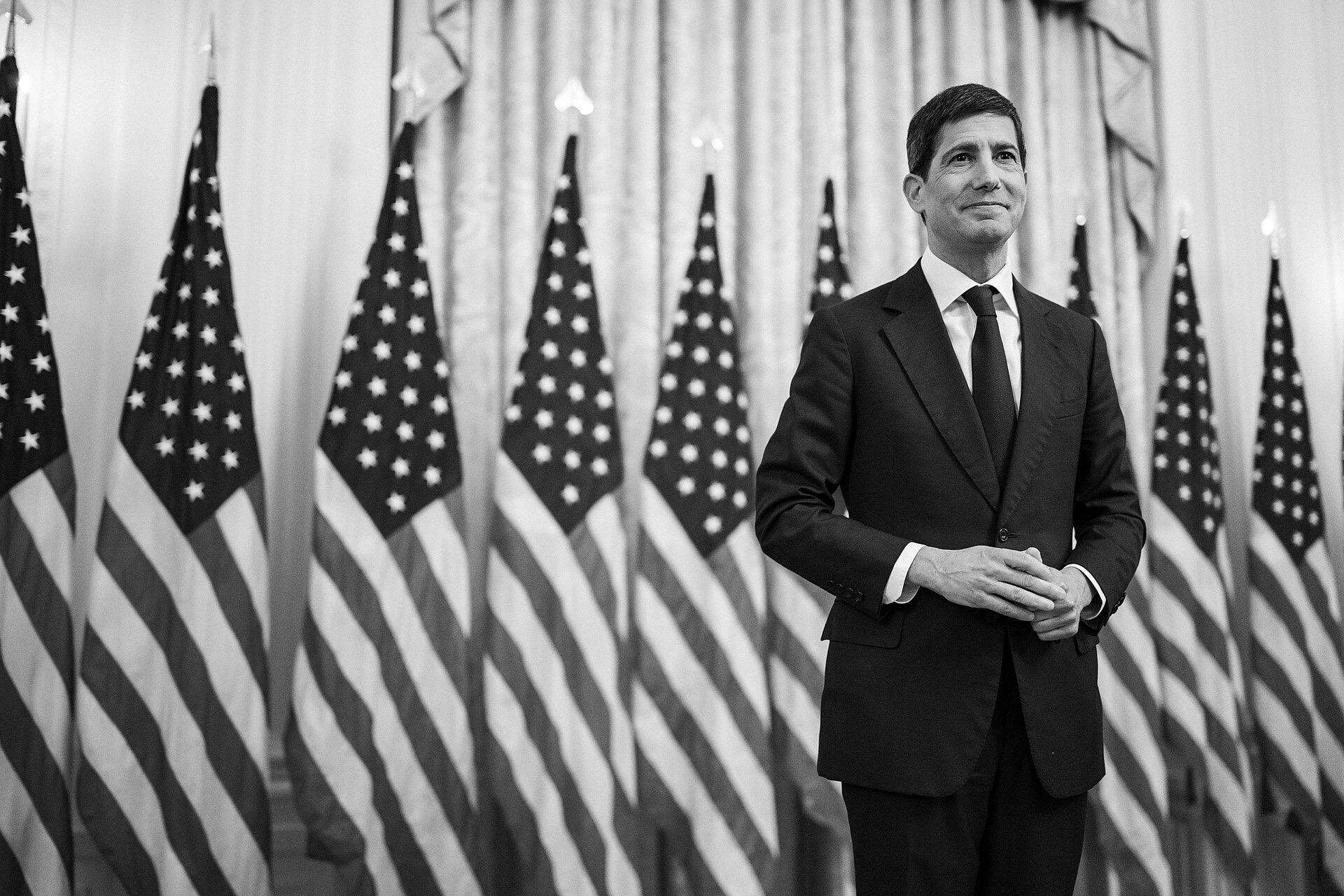
Federal Reserve Chair Kevin Warsh has recently argued that labor market conditions remain positive, while inflation represents the more pressing concern for policymakers.
Following the October monetary policy meeting, Warsh pointed to stronger payroll growth, historically low unemployment insurance claims and resilient economic activity as evidence that the employment side of the Fed’s dual mandate remains relatively healthy.
However, stronger hiring does not automatically mean faster inflation. Productivity improvements and changes in labor supply can allow employment to expand without producing equivalent increases in price pressures.
The October report therefore strengthens the Fed’s ability to concentrate on inflation, rather than establishing that labor market conditions are themselves generating additional price increases.
Does the Jobs Report Make a December Rate Hike Likely?
The Federal Reserve left its benchmark interest rate unchanged at 3.75%–4.00% on October 28, following a 25-basis-point increase in September. The decision passed by a 10–2 vote, with Governors Lisa Cook and Cleveland Fed President Beth Hammack supporting another quarter-point increase.
The accompanying policy statement acknowledged that inflation remained elevated, even as economic activity continued expanding at a strong pace.
Before the meeting, a Reuters survey of 100 economists found unanimous expectations for a December rate increase, despite overwhelming expectations that policymakers would leave rates unchanged in October.
Friday’s employment figures reinforce that outlook, but a December increase is not guaranteed. The Fed will receive October inflation figures and another employment report before its December 8–9 meeting.
Markets reacted to the employment surprise with higher Treasury yields and a stronger dollar, reflecting expectations that interest rates could remain elevated for longer.
Higher yields can support the dollar while increasing borrowing costs and placing pressure on interest-rate-sensitive assets, including growth stocks and longer-duration bonds. However, market reactions also depend on whether investors interpret the employment strength as evidence of economic resilience or a reason for additional monetary tightening.
Investor Takeaway
October’s employment surprise strengthens the case for a December hike, but upcoming inflation data will determine whether the Fed has sufficient justification to tighten again.
The central question for December is whether stronger employment can coexist with slower inflation. If price pressures remain elevated while unemployment stays near 4%, policymakers will have greater room to raise rates. A meaningful slowdown in inflation, however, could alter that calculation despite October’s stronger payroll figures.